1 MINUTE AGO: BREAKING — Petition to CANCEL Harry & Meghan’s Australia Trip Is TRENDING!
A Petition, A Prince, and A Question No One Will Answer
A 77-year-old woman in Australia has unexpectedly become the center of a growing national conversation that reaches far beyond a single petition.
What began as a straightforward demand has evolved into a broader debate about public resources, political transparency, and the blurred lines between celebrity and state privilege.
Diane Chandler, describing herself as a citizen guided by faith and patriotism, launched a petition calling for an end to taxpayer-funded security for Prince Harry and Meghan Markle during their upcoming visit to Australia.
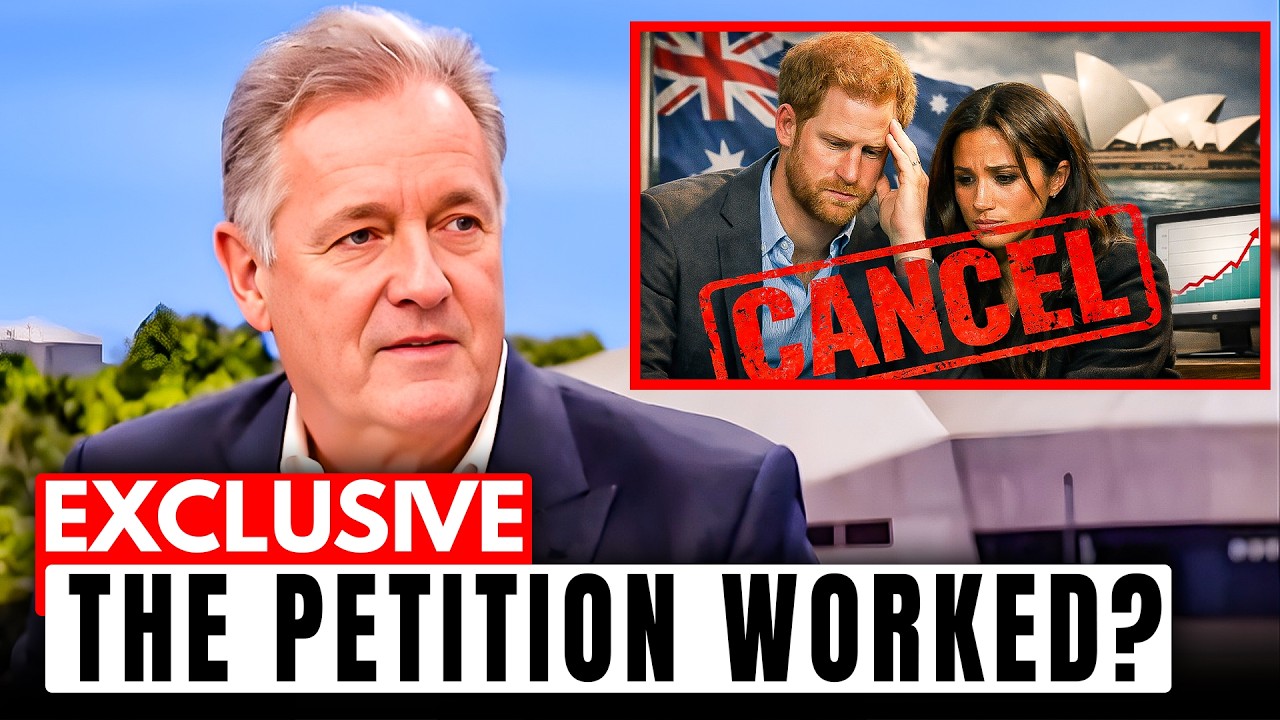

Her argument was not emotional or symbolic, but procedural and constitutional in tone.
If the visit is private and commercially driven, she argued, then public funds should not be used to support it.
Within months, more than 35,000 people had signed the petition, transforming it from a personal initiative into a national talking point.
What truly accelerated its momentum, however, was the response from the Sussex camp.
Their spokesperson dismissed the petition as “ridiculous” and characterized its concerns as misinformation.

That response, rather than containing the issue, appeared to amplify it.
Many Australians interpreted the statement as dismissive, not only of the petition itself but of the broader public concern it represented.
New signatures flooded in within hours, driven by a perception that a legitimate civic question had been brushed aside rather than addressed.
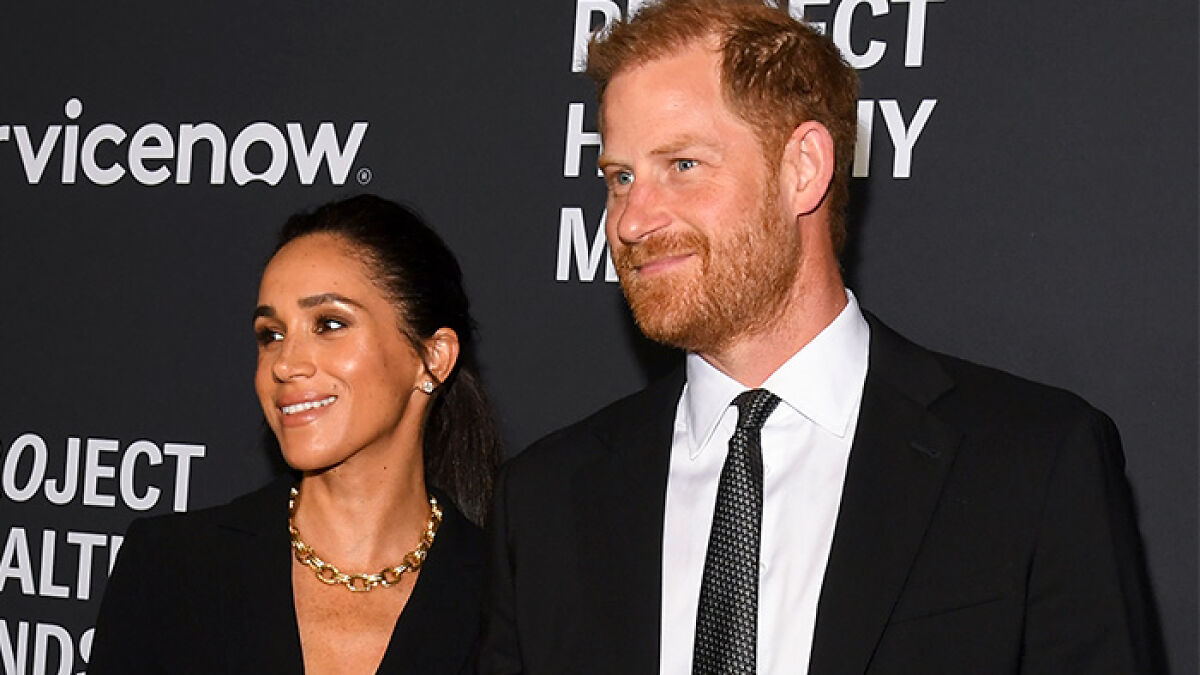
At the core of the debate lies a simple but unresolved question: who pays for security when globally recognized figures travel privately?
The Australian government has not provided a clear answer.
Three key agencies were approached for clarification, and each declined to give a definitive response.
This silence has proven to be fertile ground for speculation and frustration.
Politically, the government faces a dilemma.
Confirming the use of taxpayer funds risks public backlash.
Denying it outright could expose authorities to criticism if security incidents occur.
Silence, therefore, becomes a strategic choice—but one that carries its own consequences.
As the petition continues to grow, that silence is increasingly interpreted as avoidance rather than neutrality.
Complicating matters further is the nature of the visit itself.
While publicly framed in part as humanitarian, the scheduled events reveal a strong commercial component.
Prince Harry is set to speak at a high-ticket summit in Melbourne, where entry prices reach premium levels and speaker fees are significant.
Meghan Markle is linked to a luxury retreat in Sydney, offering exclusive access experiences priced beyond the reach of most Australians.
These are not traditional charitable engagements.
They are commercial ventures with charitable elements attached.
That distinction, while subtle, is central to the petition’s argument.
Critics point out that such events generate private revenue while potentially relying on public infrastructure.
Supporters of the Sussexes counter that high-profile individuals inherently require security regardless of context.
The debate, therefore, is not about whether security is necessary, but about who should bear its cost.
Adding another layer of complexity is the controversy surrounding the event organization itself.
Reports indicate that the company initially linked to Meghan’s Sydney event had entered liquidation months before the announcement.
This revelation has raised additional questions about financial transparency and oversight.
Who is ultimately funding the event, and how stable are its foundations?
These questions remain unanswered.
For many observers, the issue extends beyond a single visit.
It reflects a broader pattern in how the Duke and Duchess of Sussex navigate their post-royal roles.
Since stepping back from official duties in 2020, they have positioned themselves as independent global figures operating in both humanitarian and commercial spheres.
However, their international appearances often retain the optics of official royal tours.
This creates a tension between private enterprise and public expectation.
The titles they retain continue to carry institutional weight, even as their activities operate outside formal royal structures.
In Australia, that tension has now crystallized into a concrete civic question.
The petition does not demand cancellation of the visit.
It does not argue against their presence.
It simply asks for clarity and accountability regarding public expenditure.
And in the absence of a clear answer, that question has only grown louder.
What began as one woman’s concern has become a symbol of a larger issue.
It highlights the challenges governments face in balancing diplomacy, public perception, and fiscal responsibility in an age of global celebrity.
It also underscores how quickly public sentiment can shift when people feel their concerns are dismissed rather than addressed.
The visit will go ahead as planned.
The events are already sold out, and preparations continue.
But the narrative surrounding it has changed.
Before a single speech is delivered or a single photograph taken, the trip has been reframed as a test of transparency and public trust.
And that may ultimately prove more significant than the visit itself.